Services
01
Relaxing/Swedish
Massage
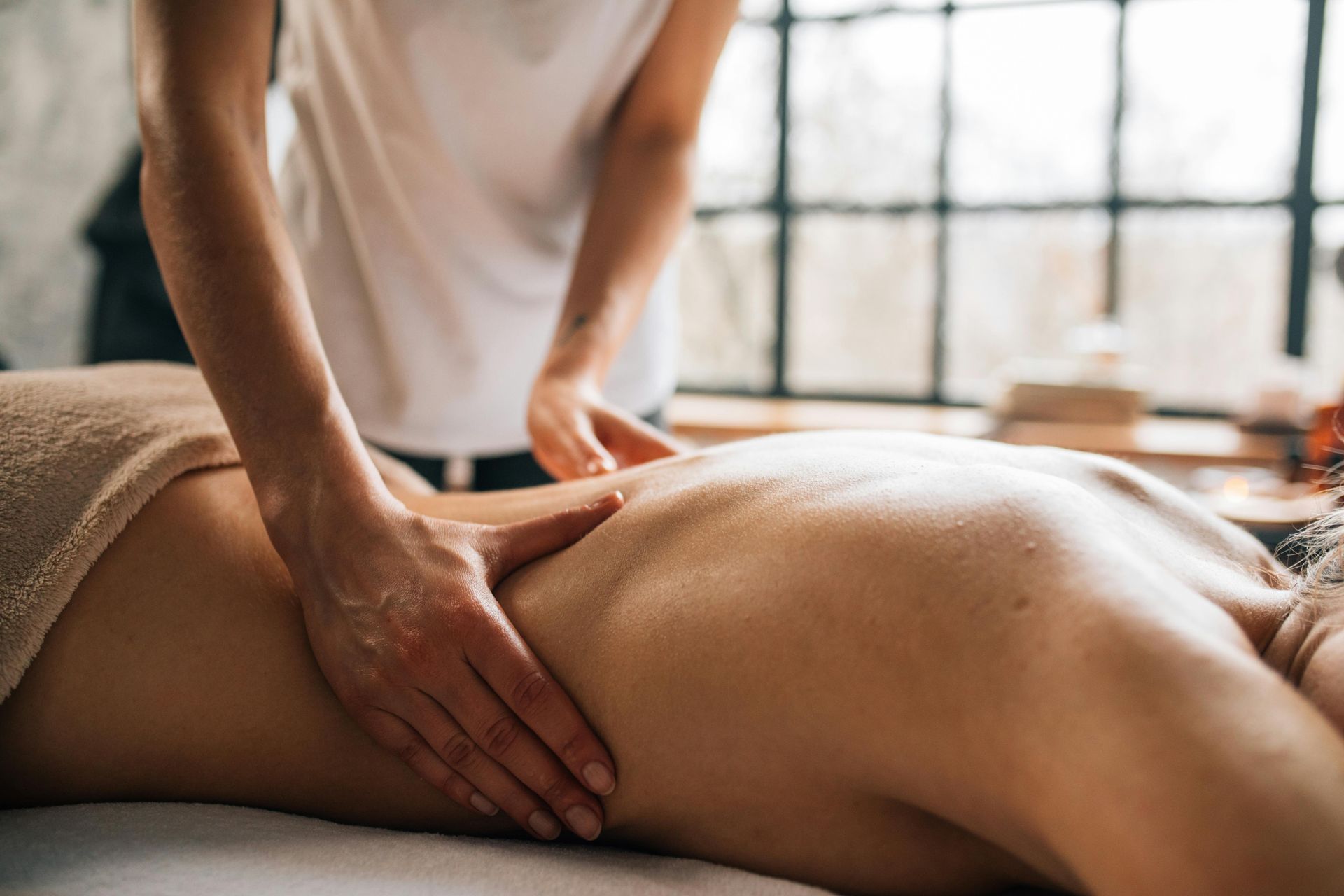
Swedish massage is the "classic" Western massage. It is designed primarily for
relaxation and
stress relief, focusing on the top layers of muscle rather than deep tissue manipulation.
02
Deep Tissue Massage
Professionally trained and certified
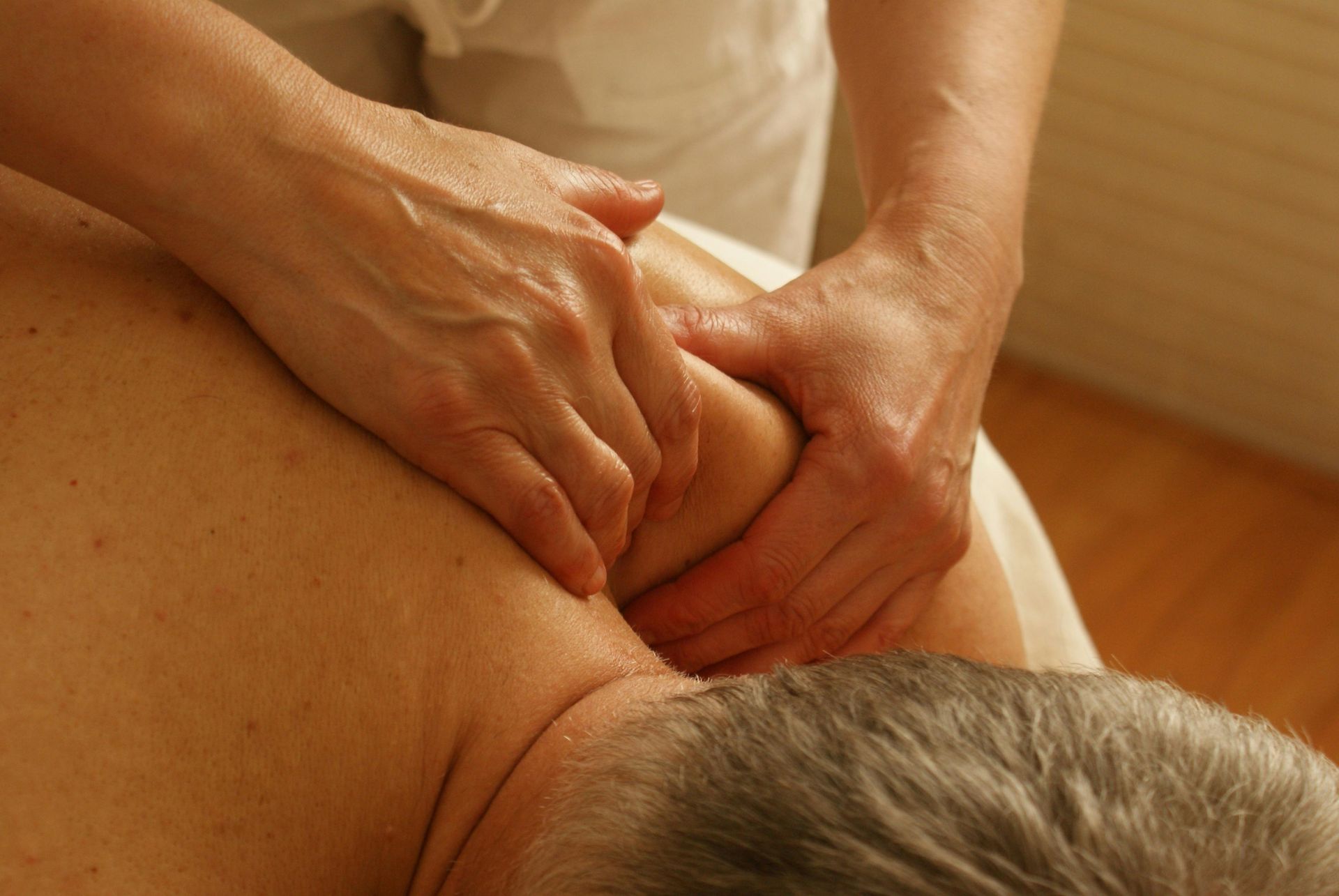
While Swedish massage is all about relaxation, Deep Tissue massage is its more intense, therapeutic cousin. It focuses on the deeper layers of muscle tissue, tendons, and the protective fascia surrounding them.
It is specifically designed to address chronic aches, "knots," and lingering injuries
Unlike standard massage, which uses the palms, a deep tissue therapist often utilizes their elbows, forearms, and knuckles to reach deeper structures.
03
Clinical/Therapeutic Massage
Your rehabilitation starts with a proactive approach
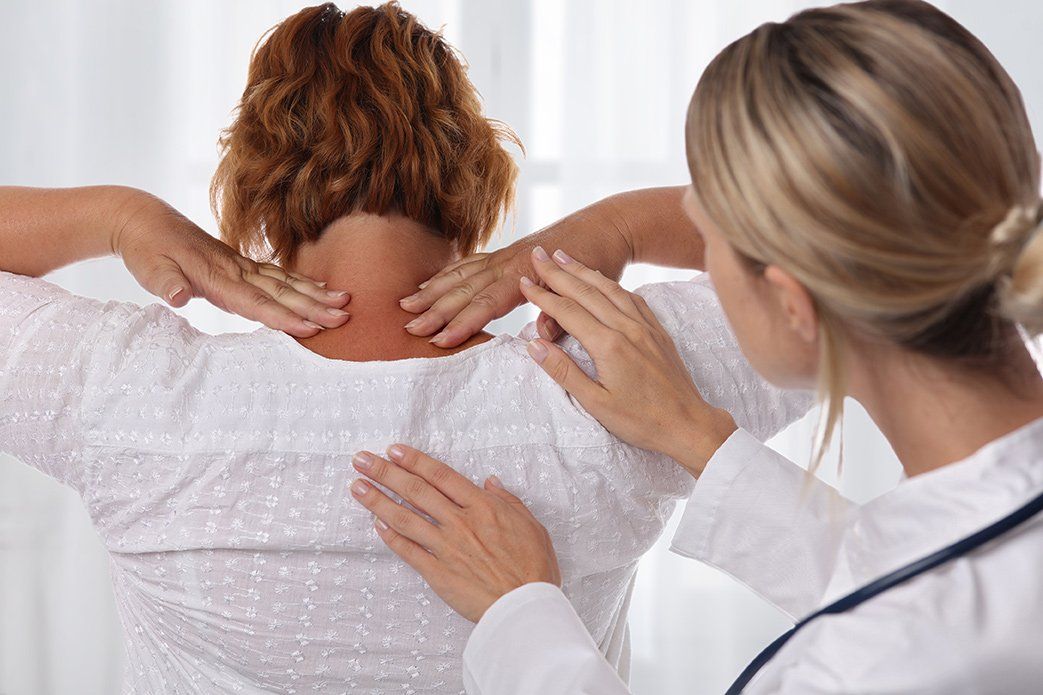
While Swedish massage is for relaxation and Deep Tissue is for intensity, Clinical (or Therapeutic) massage is for results.
It is a goal-oriented treatment designed to address a specific medical issue, injury, or chronic condition. Unlike a "spa" massage where you might fall asleep, a clinical massage involves a more active partnership between you and the therapist to fix a physical problem.
How It Differs
Clinical massage isn't a single "style"; it’s an umbrella term for using whatever tools are necessary to treat your specific complaint.
- The Assessment: A session often begins with a physical assessment—checking your range of motion, posture, and asking about your medical history.
- The Approach: The therapist doesn't just follow a routine (back, then legs, then arms). They may spend the entire hour on your neck and shoulder if you are recovering from whiplash.
04
Cupping
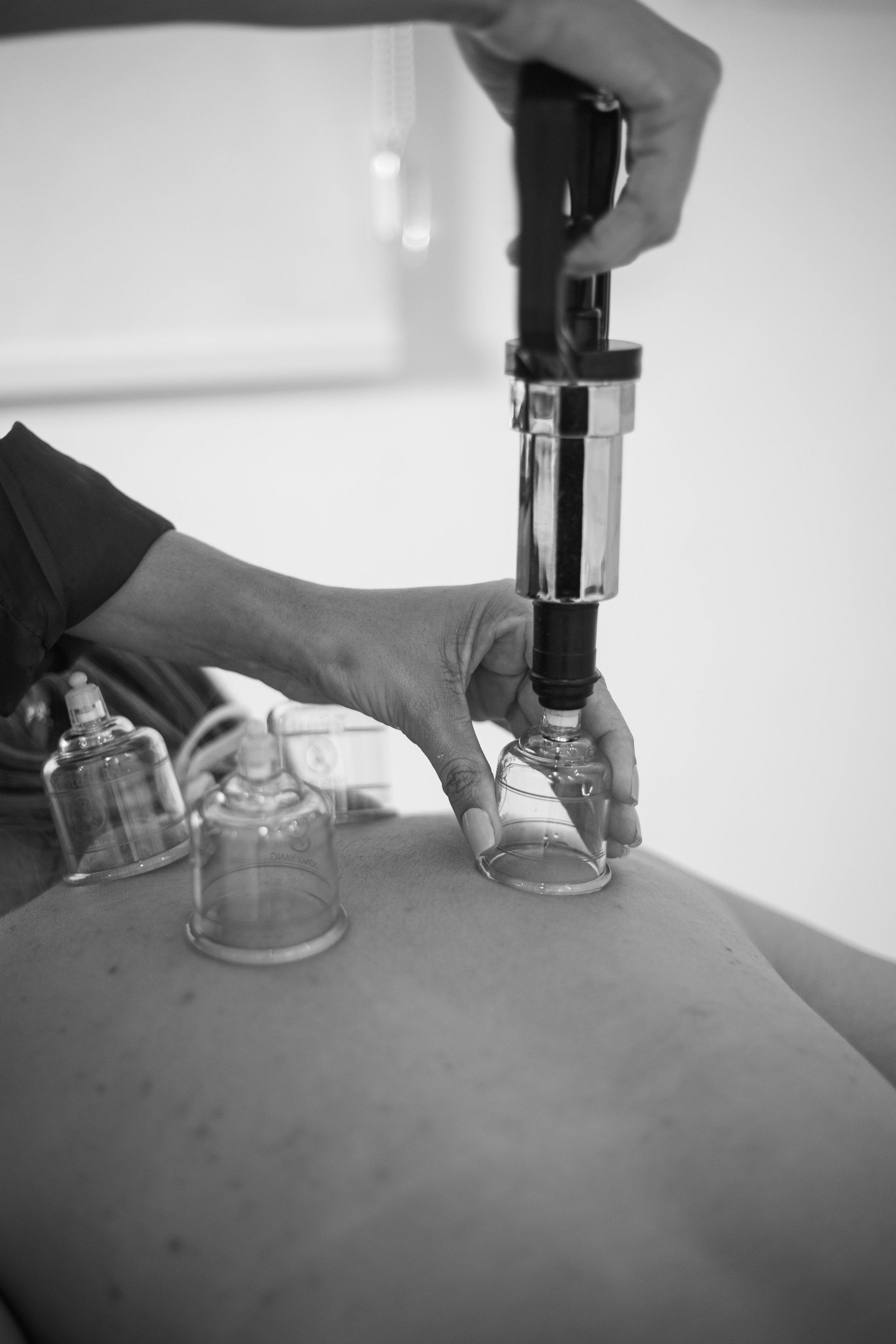
While most massage techniques involve pushing into the muscle, Cupping Therapy does the exact opposite: it uses suction to pull the muscle and skin upward.
In a massage setting, it is often used as a "force multiplier" to achieve deep tissue results without the intense manual pressure of a therapist's elbows or knuckles.
How It Works
The therapist places specialized cups (made of glass, silicone, or plastic) on the skin. By creating a vacuum—either through heat or a hand pump—the suction draws blood flow to the area and stretches the underlying fascia (the connective tissue "wrapping" around your muscles).
05
Scraping/IASTM
Speeding up your recovery from trauma and injury
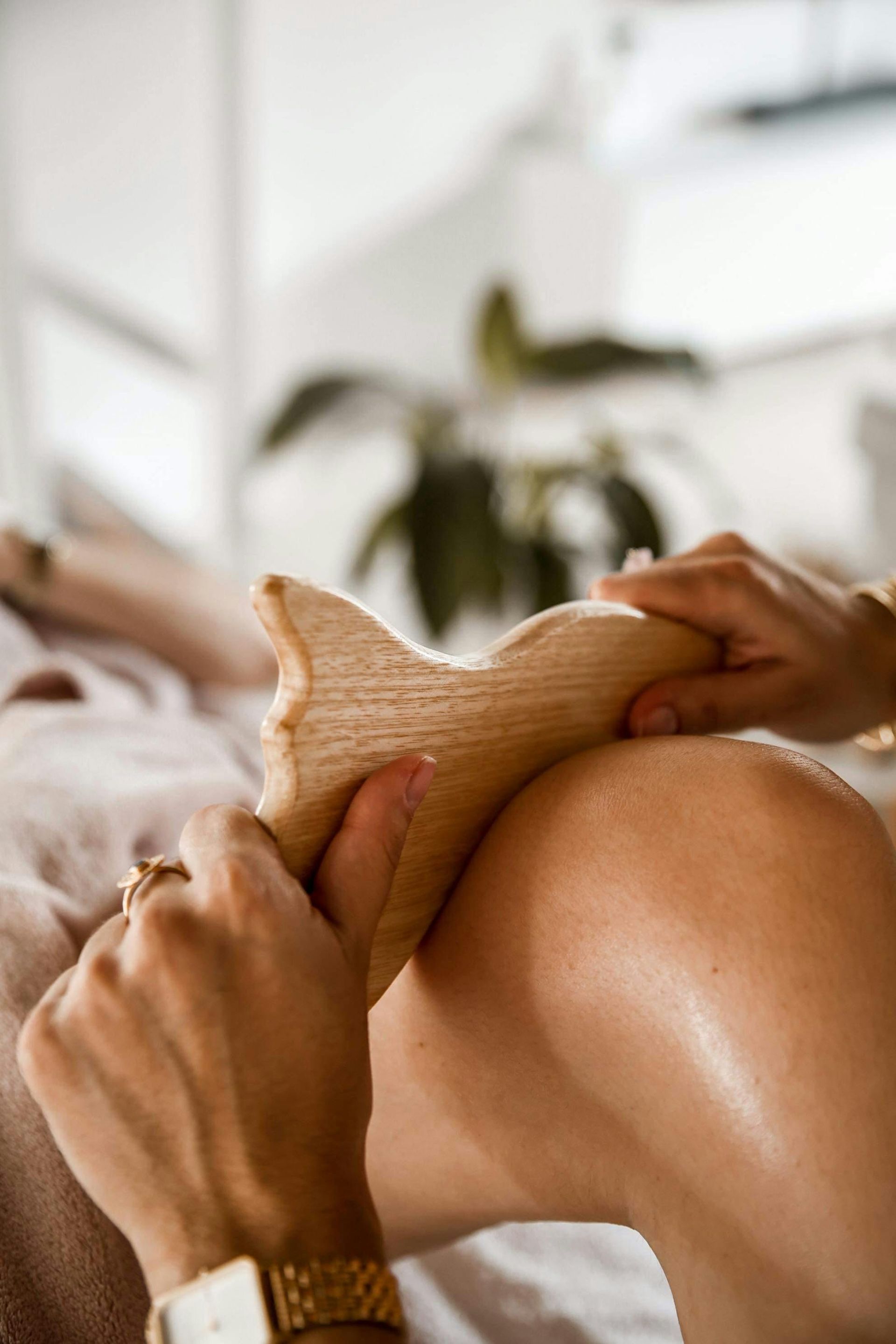
If Swedish massage is "soothing" and Cupping is "suction," Scraping—formally known as IASTM (Instrument Assisted Soft Tissue Mobilization)—is "precision remodeling."
It involves a therapist using a specialized tool (usually made of medical-grade stainless steel, plastic, or stone) to firmly "scrape" the skin. This isn't meant to be painful; rather, the tool acts like a stethoscope for the muscles, vibrating as it passes over scar tissue or "gritty" adhesions that a human hand might miss.
How It Works
The therapist applies an emollient (oil or cream) and uses the beveled edge of the tool to stroke the skin in specific directions. This creates micro-trauma in a controlled way.
- Detection: The tool "clatters" or feels bumpy over unhealthy tissue (fibrosis).
- Response: The scraping triggers a localized inflammatory response.
- Repair: This signals the body to send "clean-up" cells to the area, reabsorbing old scar tissue and laying down fresh, organized collagen.
06
Assisted Stretching
While most massage techniques involve you lying still while the therapist works on you, Assisted Stretching is an active, collaborative process. It is often integrated into a massage session to "lock in" the gains made by manual muscle work.
The therapist uses their body weight, specialized positioning, and specific timing to move your limbs through a range of motion that you simply cannot reach on your own.
How It Works
During a session, the therapist will move a limb to its "end range" (the point where you feel a stretch but no pain). They often use a technique called PNF (Proprioceptive Neuromuscular Facilitation), or "Contract-Relax" stretching.
- The Stretch: The therapist moves your muscle into a stretch.
- The Resistance: You gently push back against the therapist’s hand for about 5–10 seconds.
- The Release: You relax, and the therapist moves you deeper into the stretch. This "tricks" the nervous system into allowing the muscle to lengthen further than usual.